


History of Caroling
At The Joyful Noise Project, caroling is at the heart of our mission. Whether you’re new to caroling or have loved it for years, we invite you to dive deeper into its history and discover why it continues to resonate with hearts around the world.
Historical Overview
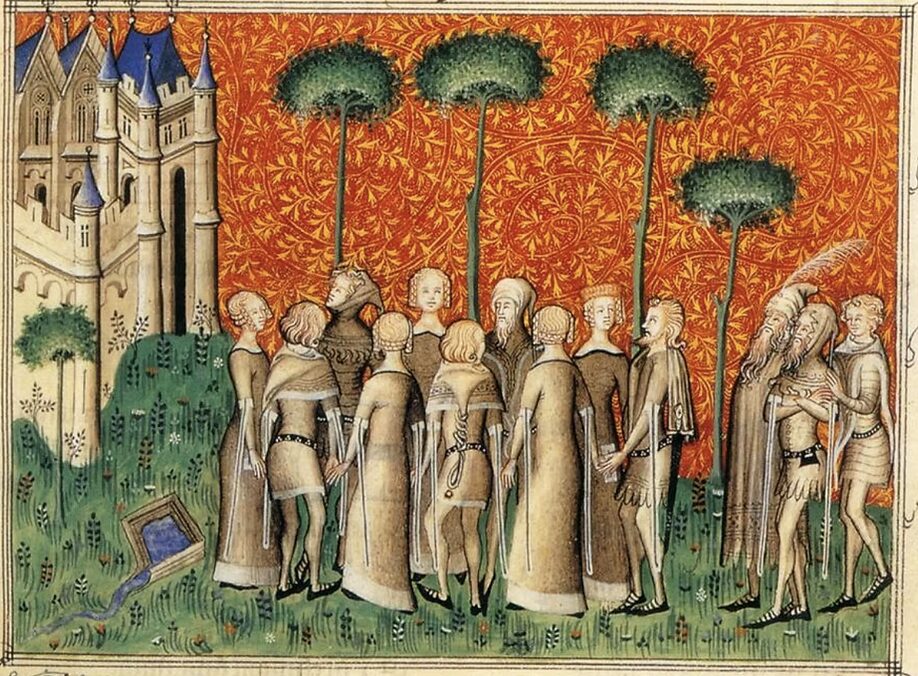
Originally, carols were festive songs sung during seasonal celebrations like the winter or summer solstice, often accompanied by dancing in circles. The word carol comes from the Old French carole, meaning a circular dance with singing.
Over time, the practice of caroling became most closely associated with Christmas, and that’s the tradition that has endured.
Early Tradition
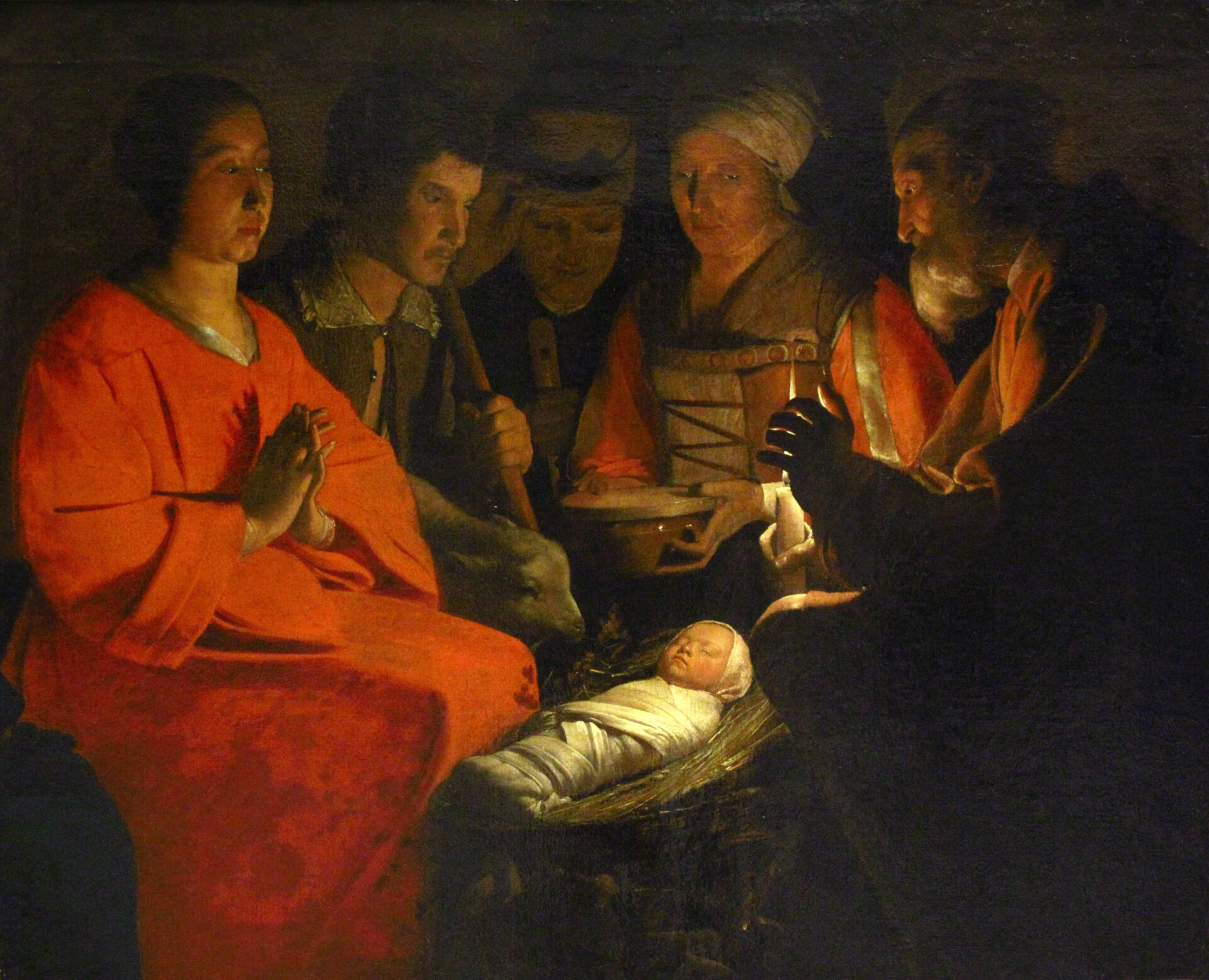
With the spread of Christianity across Europe from the 4th to the 14th centuries, church leaders began adapting local customs, including these festive songs, into religious practices.
A major turning point came in the 13th century with Saint Francis of Assisi, who introduced nativity plays in Italy that included songs sung in the local language. This innovation allowed ordinary people to participate and understand the story of Christ’s birth.
The Middle Ages
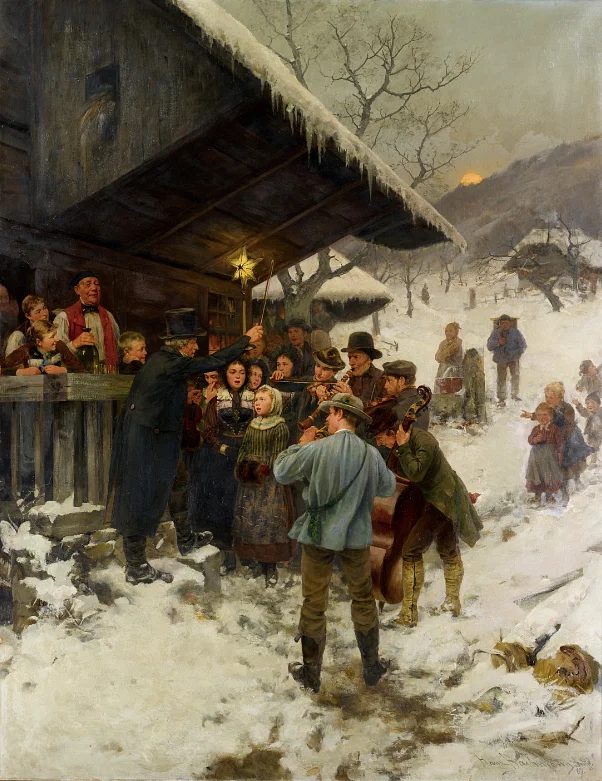
By the Middle Ages, carols had become more festive and community-oriented, often sung by local and traveling musicians in town squares and at gatherings. These songs borrowed from folk melodies and incorporated Christian themes.
In England, the first reference to Christmas carols in English appears in a 1426 work by John Awdlay, who mentioned “caroles of Cristemas” sung by groups going from house to house.
Victorian Era
Christmas caroling gained renewed popularity in the 18th and 19th centuries, especially in England. Hymn writers like Charles Wesley and Isaac Watts composed carols that remain popular today, such as “Joy to the World.”
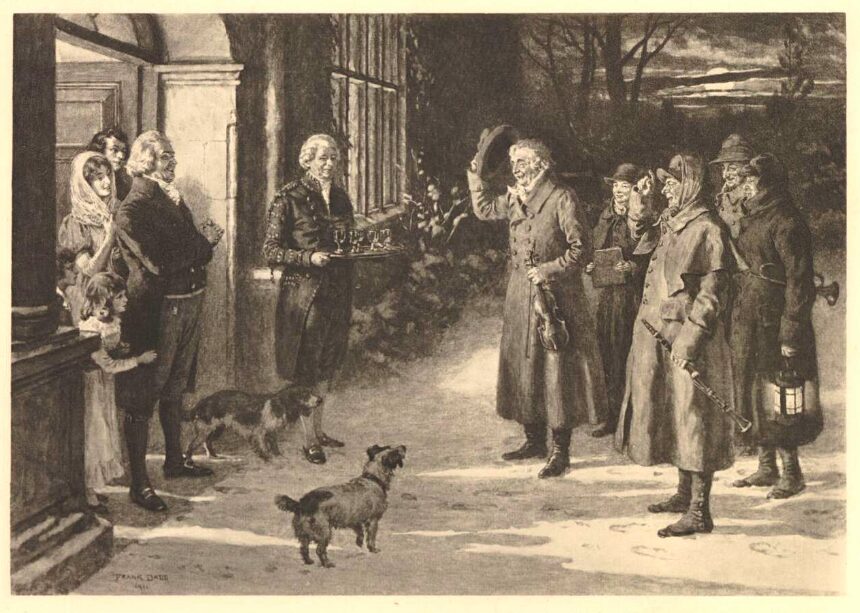
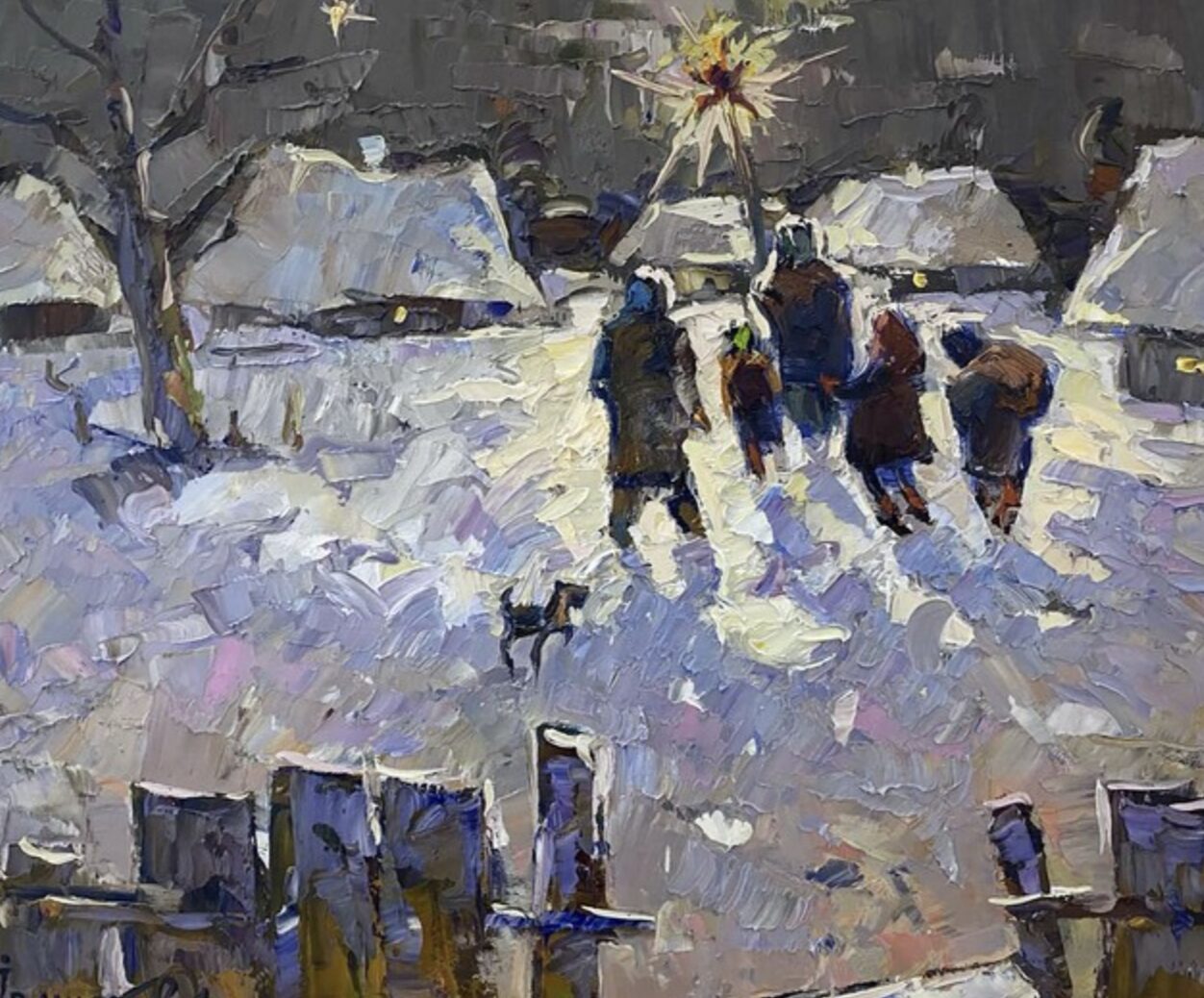
The Victorian era, with its fascination for Christmas traditions (fueled by works like Charles Dickens’ A Christmas Carol), saw the custom of carolers visiting homes, singing for warm drinks or small gifts. This practice spread to America and became a staple of holiday celebrations
Caroling Today
Caroling in the 20th century experienced both revival and innovation. New carols were composed and classics were collected in influential anthologies like Carols for Choirs (1961) still sold today.
Whether sung door-to-door or at festive gatherings, these timeless songs continue to spread warmth and cheer, reminding us of the simple pleasures of sharing music and goodwill with others.

Explore Faith
Through song, caroling points us back to the true source of hope: the birth of Jesus. Want to hear more about that story?